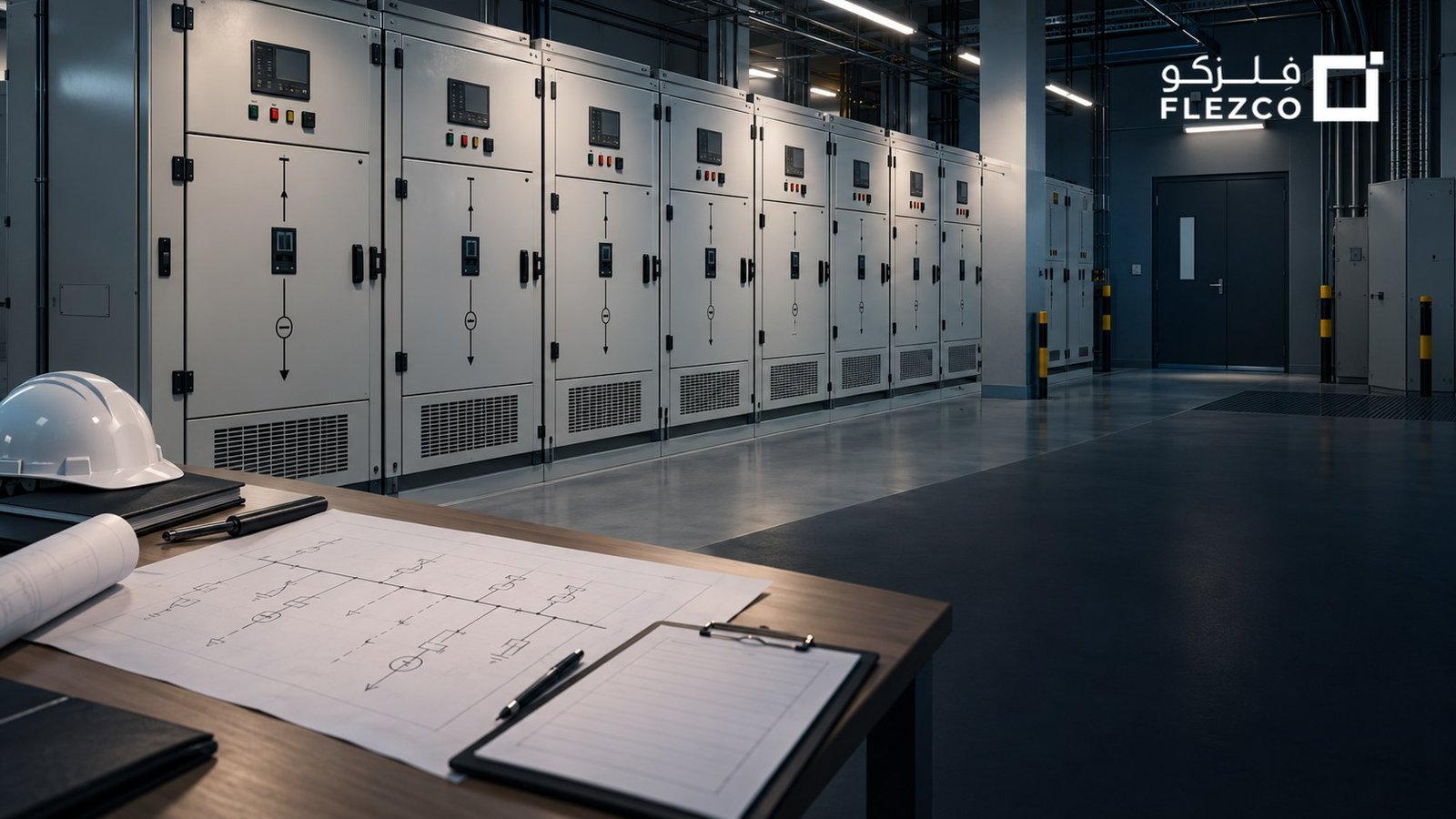

Begin with an incident record, not an assumed diagnosis
A repeated interruption deserves a record that another reviewer can follow. Write down what was observed, the equipment involved, the time shown by each available record and the source of that information. Keep an operator's description separate from a recorded device message. Neither should be silently rewritten as a proven cause.
Start with the site's existing equipment reference. Identify the switchgear panel, feeder and the equipment designation used in drawings or previous maintenance records. If two records use different names, flag the difference for clarification. A useful enquiry lets the review team connect the incident to the correct equipment without guessing from an informal location description.
Preserve the distinction between record types
A photograph of a display, a written incident note and an exported event record are different evidence. Record which items are actually available. Do not describe a photograph as a complete event sequence or state that a waveform exists when it has not been obtained.
As one manufacturer-specific example, Schneider Electric lists sequence-of-event and disturbance recording in the PowerLogicP3 application table. The exact information accessible at a site depends on its equipment and configuration. Confirm the installed model and applicable documentation before promising a particular record or export format.
Make the chronology reviewable
For each incident, keep the recorded time, the source clock and any uncertainty. If an operator's note and a device display disagree, retain both values and mark the disagreement. Do not invent a corrected sequence. The review team can then determine what further evidence is needed before comparing events.
Add the operational context already documented by the site: which area was affected, what was reported immediately beforehand and any relevant maintenance or configuration change recorded by authorized personnel. Label recollection as recollection and leave unknown items open. Temporal proximity is a reason to investigate, not proof that the last maintenance activity caused the interruption.
Define what the next review should return
Ask the reviewer to separate confirmed observations, interpretations, missing evidence and recommended next actions. The initial records may support a narrower investigation without establishing a final cause. Agree the equipment scope and deliverables before combining record review with any separately authorized site inspection or testing.
FLEZCO's MV maintenance service describes inspection and testing scope. Use the existing maintenance-window guide when coordinating access and planned work. This records brief does not authorize operating equipment or changing protection settings.
Example of an incident packet
Ask bidders to price an initial review of available records separately from any later site visit or testing. If two records use different feeder identifiers, the first deliverable should map both identifiers to the current single-line drawing or flag the mismatch for the owner. If the identifiers agree but the monitoring system clock is undocumented, the first deliverable should state which clock each source used and what sequence can be established. Request an evidence list, an equipment cross-reference and a list of gaps with the reason for any proposed next test.
Illustrative handover record. An operator notes that equipment on panel MV-02, feeder F-03, stopped at approximately 08:41. A monitoring screen photo displays 08:43. An available relay record lists an event at 08:41:28. Keep three rows with the original time, source name and file reference. With the clock relationship unverified, the difference cannot establish breaker delay or a precise sequence. Mark the monitoring clock as unverified and the disturbance file as unavailable. Ask the reviewer to establish whether the records describe the same incident before recommending further investigation. The identifiers and times are fictional and represent no site or test result.
Specify the boundaries for sharing files. In the first enquiry, provide the equipment reference, operating role, number of incidents and a list of documents available. Agree a channel for the technical files and identify who at the site can authorize release of drawings or configuration records. Price access and field tests as a separately agreed scope under the facility's procedures.
Evaluate what the quotation covers
Use the same incident packet for each bidder. Identify which incident dates, panels and feeders the bidder should review. If a supplier proposes work on a different panel or a wider area, ask them to explain which record connects it to the interruption. Give bidders room to flag a missing drawing revision or an uncertain clock, and ask them to show how each gap changes the scope or confidence of their review.
A records review can produce an incident chronology, an equipment cross-reference and a list of open questions. A site assessment can check whether equipment identifiers and available records correspond to the installation. A separately scoped technical investigation may propose specific checks after the records and site constraints are understood. Compare offers on these deliverables and their exclusions. A line item called fault diagnosis, without a defined input and output, gives the facility team little basis for comparing proposals.
Agree the handover before assigning the work
Ask for a result you can file against the incident reference. It should identify the documents reviewed, their dates or revisions, the equipment to which they apply and the source of each time entered in the chronology. Ask for a record of gaps and the information needed to resolve them. Where an observation is based on a photo or a recollection, the report should say so. Any proposed further work should state why it matters, what evidence it could add and what the facility must arrange.
The facility team can assess the review against two questions. Can a second reviewer find the record supporting each significant observation? Can the team see which questions remain unresolved before committing to another visit or test? This makes the handover useful even when the evidence supports several possible explanations.
Prepare the first enquiry
Provide the number of interruptions, the affected equipment reference, the operational effect and a list of available records. Include a site contact who can explain the naming convention and coordinate any follow-up. Keep a list of files that exist but require permission to share. The buyer can then request an initial review with clear limits and agree a separate scope for any visit or tests with the responsible facility team. Request a quotation
Keep revisions traceable
Give the incident packet a reference and a revision date. When a new file arrives, add its filename and source to the evidence list and explain which open question it addresses. Preserve the earlier list so the reviewer can distinguish information available at the first quotation from information added later. Ask bidders to identify the packet revision used for their scope. A quotation based on three screen photos may need clarification when a later packet also contains an event export.
Keep a short change note with the handover. Record who provided the additional material, when it was received and whether any equipment identifier or time reference remains unresolved. This is a practical document-control arrangement for the enquiry. It does not establish the accuracy of a device clock or prove that two records describe the same physical event.
Manufacturer references and their limits
Schneider Electric’s PowerLogic P3 application table lists sequence-of-event and disturbance recording. The P3F30 manual describes event codes and timestamps in its event log. Its data recording and timestamping guide distinguishes device timestamps from logger, server or software timestamps according to architecture. These references illustrate why the model, record type and clock source belong in the packet; availability at a particular site requires verification.